HOME
WHAT WE DO
CRISIS
BTHF helps people around the world during sudden emergencies and ongoing crises.
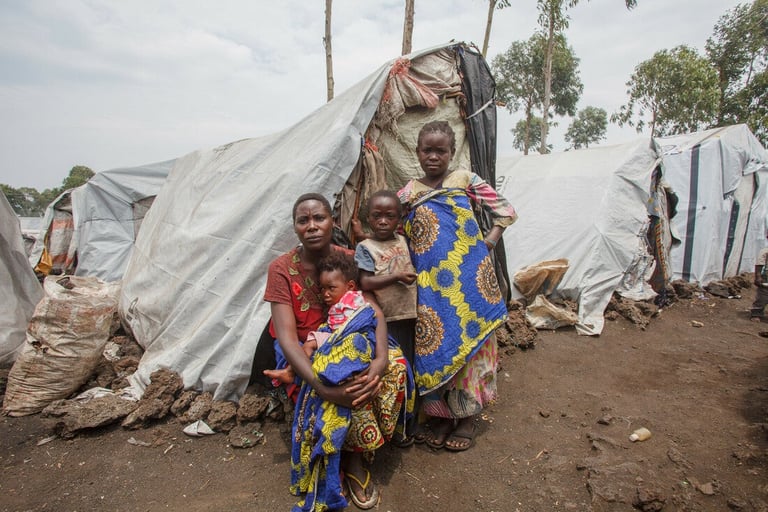
In 2024, global crises displaced a record 122.6 million people, half of them women and girls. The consequences are devastating.
Families struggle for shelter, enough food, and safe places to rebuild their lives. Moreover, one in five refugee or internally displaced women has experienced violence.
In 2025, 300 million people worldwide need humanitarian assistance — a number that has continued to grow over the last decade.
Today’s humanitarian crises are more complex and last about three years longer than they did 15 years ago. Conflict, migration, and environmental shifts are the key trends driving these crises — with eight of the worst food crises in the world linked to conflict and environmental shifts.
These trends of longer, more complicated crises have a huge impact on our ability to support people in need.
By 2030, BTHF aims to reach 10% of those effected-50 million people-with quality, women- and girls-focused, locally-led humanitarian assistance.
We need funding for the long term, not just to fill immediate gaps. We need to help people and communities prepare to cope with crises and respond to emergencies. We need to strengthen local institutions so they can support people at risk. And we need to find ways to address trends like environmental shifts and conflict that make the situation worse.
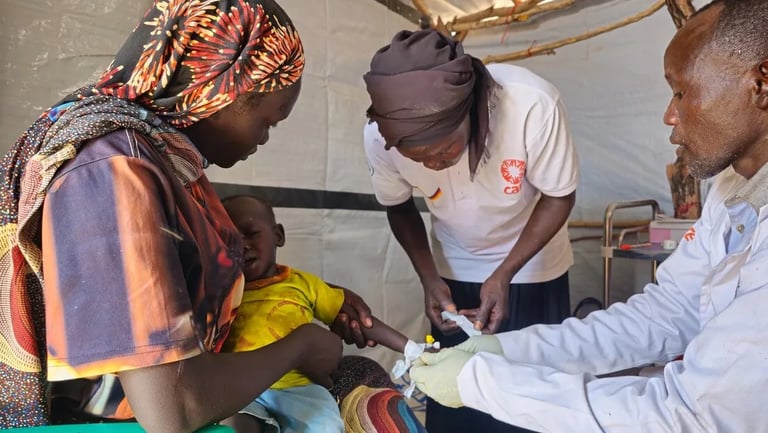
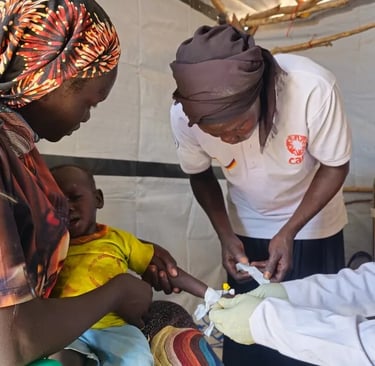
Health in Emergencies
BTHF's emergency response acts fast to provide help that respects everyone’s rights, puts people first, addresses diverse needs, and prioritizes women and girls. Each year, crises displace millions of women and girls, exposing them to heightened risks of violence, maternal mortality, and exploitation.
READ MORE
Women Leadership in emergencies
Supporting women’s leadership and collective action during emergencies. Women’s contributions save lives and increase equality.
READ MORE
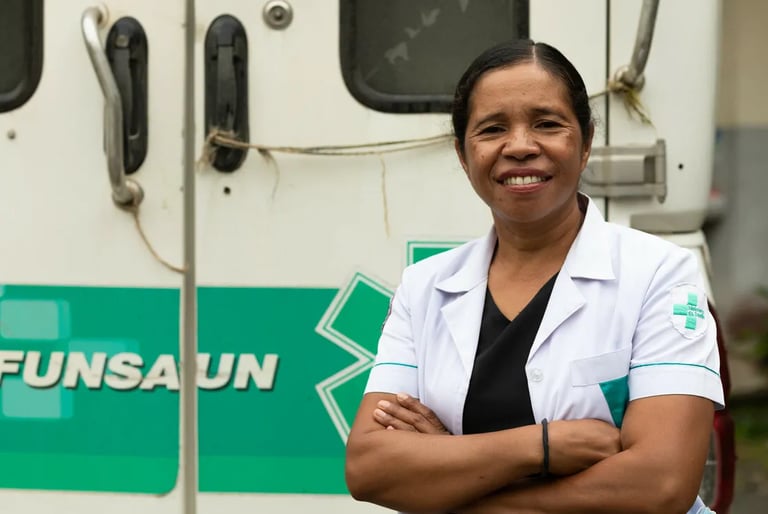
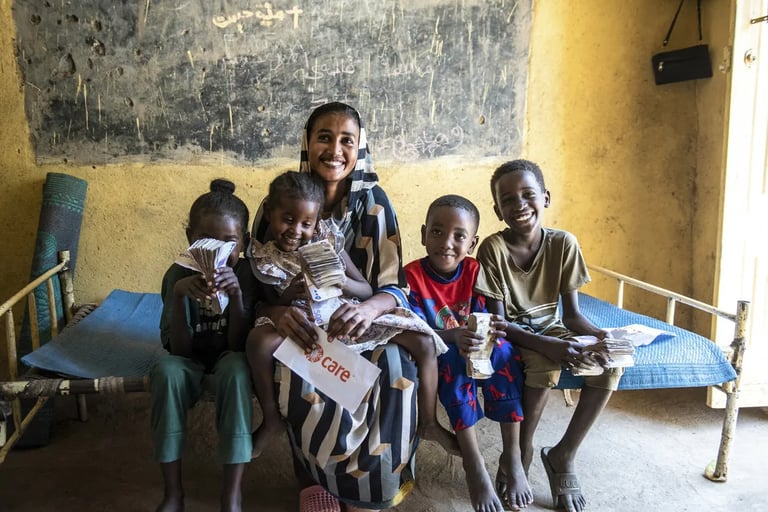
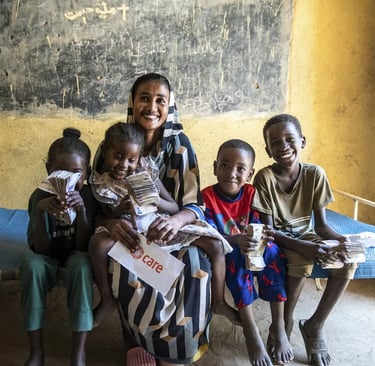
Cash and Vouchers Assistance (CVA)
BTHF focuses on providing cash and voucher assistance, particularly in emergency and crisis contexts.
READ MORE
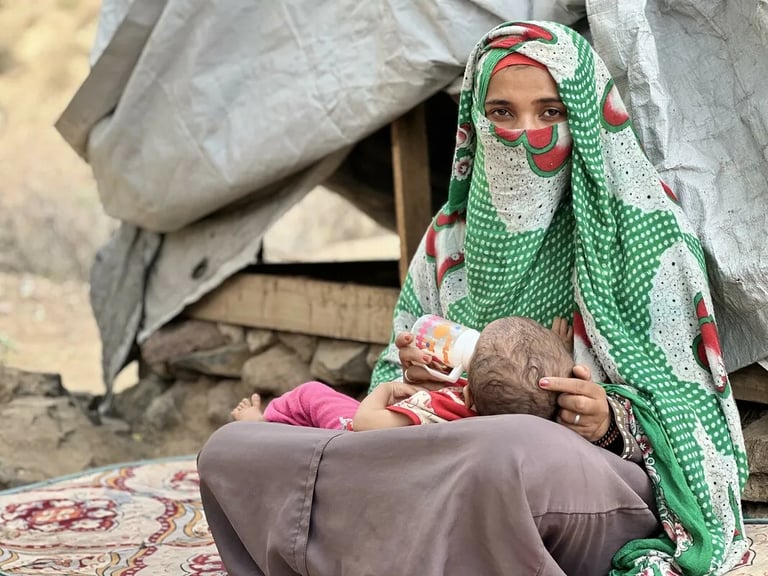
The impact of U.S aid cuts
When U.S. international assistance funding is cut, lifesaving programs are delayed, scaled back, or shut down entirely.
READ MORE
Current crisis and disaster response efforts


Stay connected
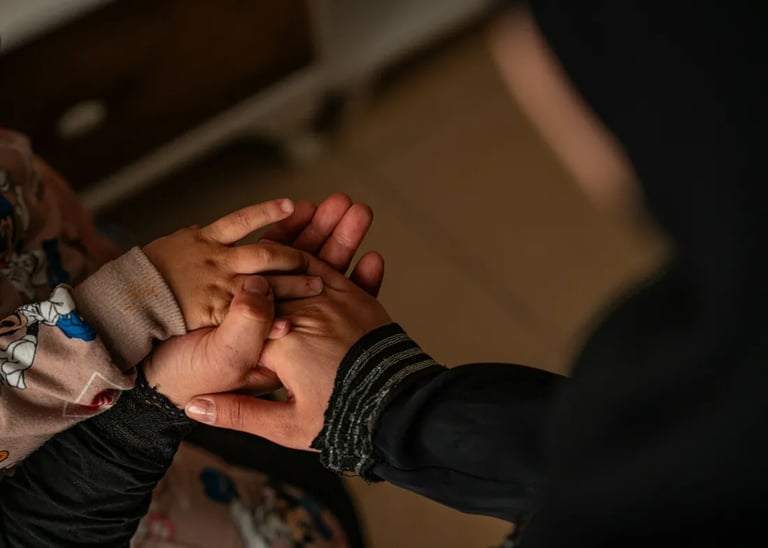
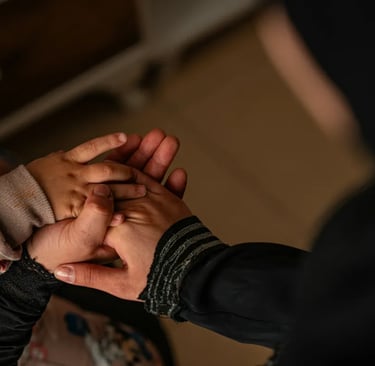
Photo: BTHF / Benny Ngoukou
Hunger in Emergencies
Inequality is growing. This, along with failing food systems, conflict, and environmental changes, has resulted in more than 800 million hungry people. This number has increased over the last three years.
READ MORE
This site is protected by reCAPTCHA and the Google Privacy Policy and Terms of Service apply.
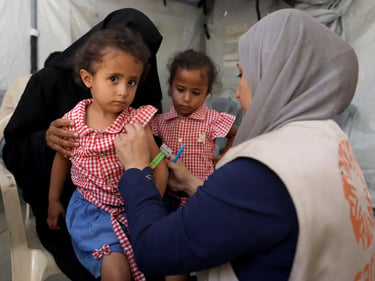
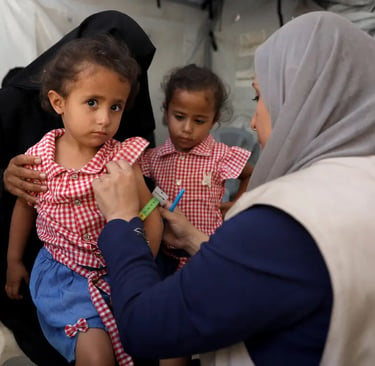
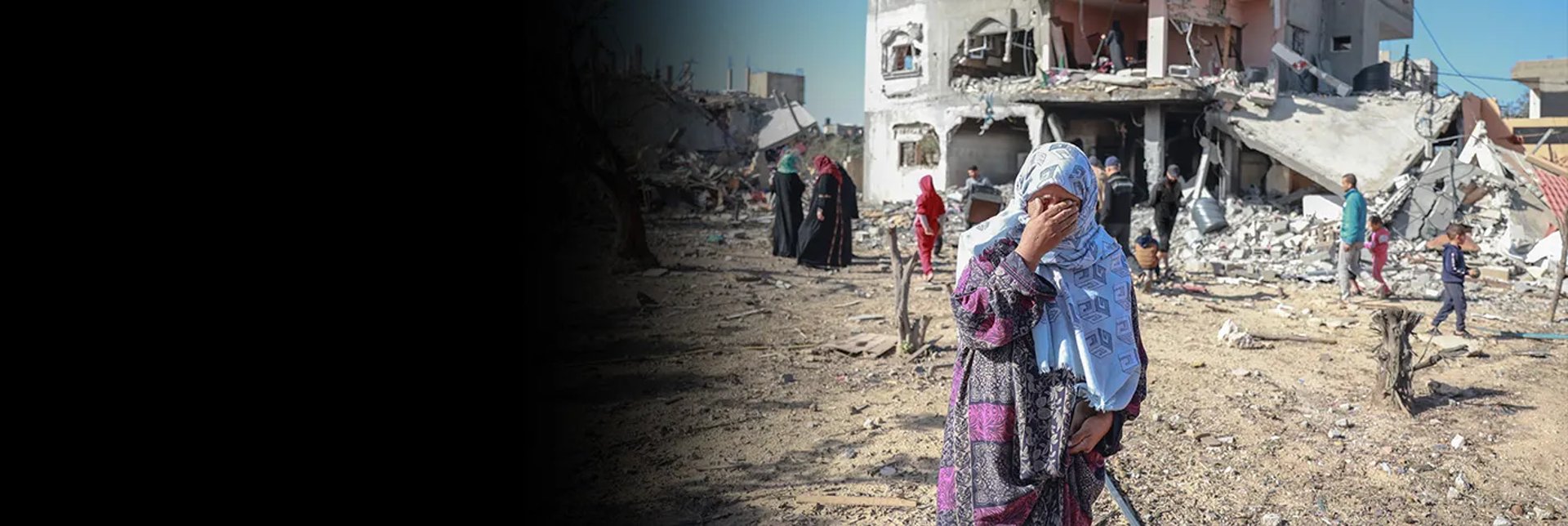
West Bank/Gaza – Palestine Humanitarian Crisis
Over two million people are at risk of dying from disease, starvation, and bombardments as the conflict wages on.
READ MORE
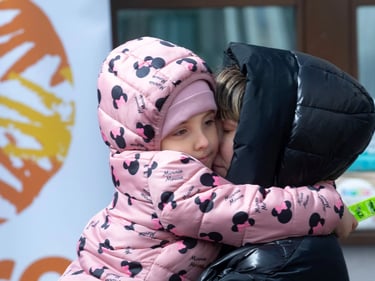
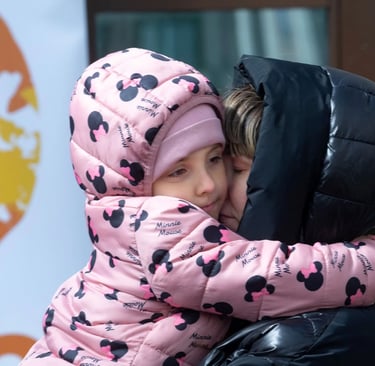
Ukraine Humanitarian Crisis
As Ukrainians face a fifth year of war, CARE warns of the long-lasting and dangerous impact of trying to survive while lifelines are cut.
READ MORE
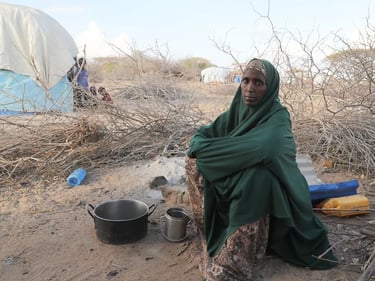
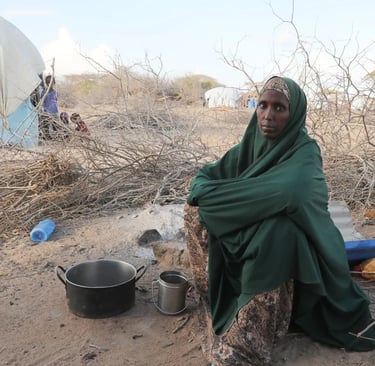
Somalia Hunger Crisis
Somalia's malnutrition crisis is accelerating faster than predicted, worsened by seasonal challenges and the 2024 drought.
READ MORE
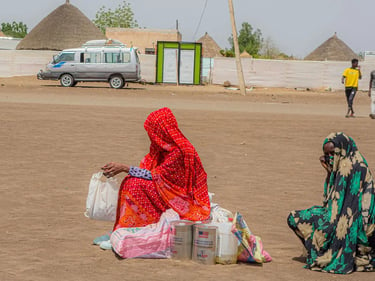
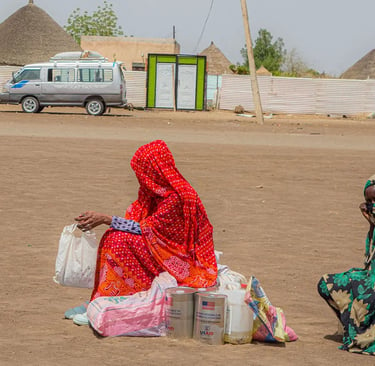
Sudan Humanitarian Crisis
Hundreds of thousands of people have died, millions are internally displaced, and there is no end in sight.
READ MORE
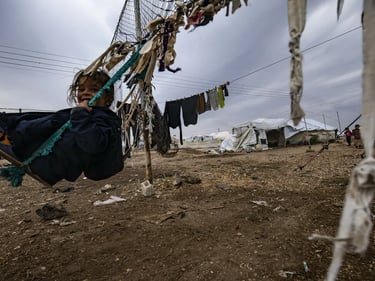
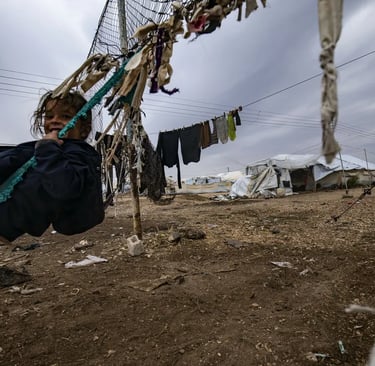
Syrian Refugee Crisis
The humanitarian crisis in Syria continues to deepen. Over 70% of the population can’t survive without humanitarian aid.
READ MORE
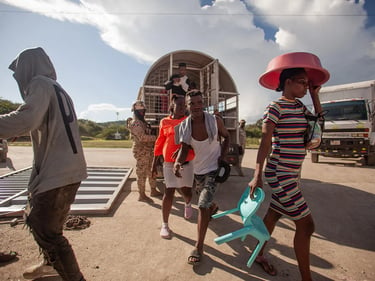
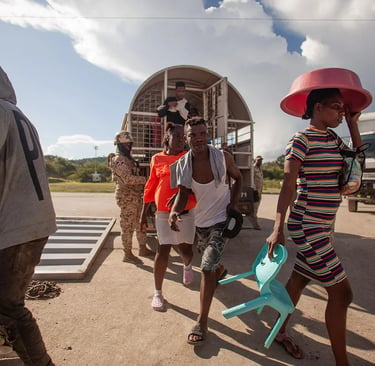
Haiti Humanitarian Crisis: Deportation and Internal Displacement
The crisis in Haiti continues to deteriorate rapidly, due to the internal displacement of people fleeing gang violence.
READ MORE
Your gift = help families
Give moms and children worldwide a gift that provides food, health supplies, and shelter to families in crisis.
BTHF is a global leader within a worldwide movement dedicated to ending poverty. We are well known for our unshakeable commitment to the dignity of people.
Copyright ©2026 ChildFund. A 501(c)(3) organization. Donations are tax deductible to the fullest extent permitted by law.
Christian Children's Fund and CCF are registered service marks of ChildFund International, USA.
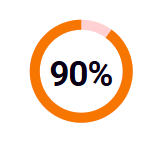


90% of all our expenses go to program services.
Careers
Corporate Partnership
Annual Reports
Accountability and Transparency
Financial Responsibility
Contact Us